Best Water and Food for Cancer Patients

Disclaimer: This article is compiled from various articles and research to give readers a better understanding of the root causes of cancer and different approaches to patient nutrition. There is currently no medical method that can guarantee 100% success in treating cancer. Readers should research cancer from multiple angles and adapt the information to each patient's individual situation. Always consult your treating doctor before changing your diet or drinking water during treatment.
Before Searching the Internet About Cancer
When you start searching Google for "cancer," you'll find an overwhelming amount of information across many different fields, and the information can be wildly contradictory. For example, if you research "what cancer patients should not eat," you'll find two very different answers:
Approach 1. Avoid meat entirely and go vegetarian, because meat is said to accelerate cancer spread - meat is described as "food for cancer."
Approach 2. Eat meat and plenty of protein, because fighting cancer requires a large amount of energy from the body - especially important if the patient is undergoing chemotherapy, where protein supplementation becomes essential.
These two approaches are completely different from each other. The first is commonly found among supporters of alternative medicine, while the second is commonly found among supporters of modern medicine.
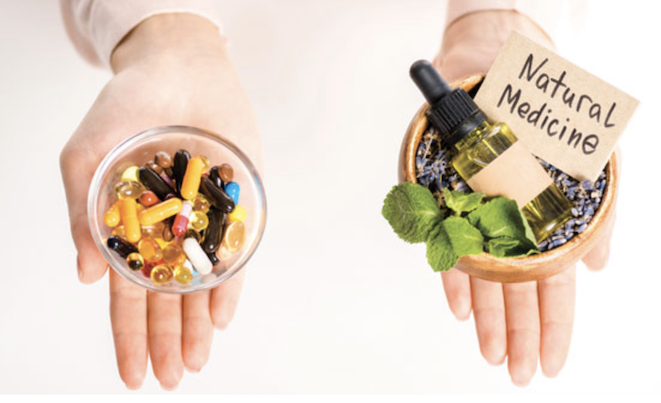
There are cancer patients who have recovered following both approaches, and conversely, patients whose treatment failed following both approaches as well. We cannot say with 100% certainty which approach is best for any individual - the person best positioned to answer which treatment approach suits a patient best is "the patient themselves." That said, you should always consult a doctor or nutritionist before making extreme changes to your diet.
Find the Root Cause of Your Cancer, Then Adjust Your Daily Life
There are many possible causes of cancer, including diet, air quality, long-term exposure to certain toxins, and genetics.
Dr. Hiromi Shinya, a specialist in colorectal cancer, has said that genetic causes may not actually stem from DNA alone - when multiple people in the same family develop cancer, it may be a result of shared eating habits, living conditions, and lifestyle.
Air, water, and food are the three essential factors for sustaining life, and they are also significant factors associated with the development of cancer. Cancer patients should therefore consider these three factors first.
Air: Oxygen Deprivation (Hypoxia) and Cancer Cells

Dr. Warburg (1924), a Nobel Prize winner, hypothesized that hypoxia - a state of insufficient oxygen in the body - may be associated with the transformation of normal cells into tumors and cancer. However, the true causes of cancer remain complex and involve multiple contributing factors that scientists continue to study to this day.
Insufficient oxygen intake can occur due to many factors, such as certain medications, toxic fumes, alcohol, respiratory conditions, chronic shallow breathing, and others.
If you have received an initial cancer diagnosis, the first thing to consider in managing your daily life is keeping your body in an environment with good air quality and low pollution, practicing deep breathing, exercising lightly on a regular basis, and keeping your body consistently well-oxygenated. Considering an air purifier is also worth doing.
Another important thing many people forget is breathing itself. Try noticing whether you're breathing shallowly - most people tend to breathe shallowly often while working, driving, or doing other activities, unconsciously forgetting to take deep, full breaths. Training your body to be mindful of breathing is therefore very important. Meditating for 10-30 minutes a day can also help you breathe better.
Water: Which Types to Choose, and Which to Avoid

A person can survive only about 3 minutes without air and 3 days without water, but can survive many days without food if there is enough water and air. Take the case of the youth football team trapped in a cave in Thailand - they survived 9 days with no food at all, but had access to cave water containing minerals the body needs, such as calcium and magnesium.
Water to avoid: water with a pH below 7, processed water, soda, sweetened drinks, and vegetable/fruit juices that are not freshly pressed yourself, since these may contain chemical additives or be highly acidic.
Water to drink: clean plain water, and freshly pressed vegetable/fruit juice that is clean and made from well-chosen ingredients.
Did you know there are actually many different types of plain water? They may all look clear and taste similar, but one type has a property that's of particular interest for patients - "ionized water" (also called Electrolyzed Reduced Water). Ionized water is produced through a process called electrolysis, which changes the properties of clean water to add mild alkalinity, negative ions that act as antioxidants for the body, smaller water molecule clusters, and various minerals the body needs.
The book Killing Cancer Not People presents its author's view that ionized water may have health benefits, with Chapter 6 discussing ionized water in detail. This reflects the personal viewpoint and experience of the book's author, not a broadly accepted medical conclusion. Readers interested in a deeper dive into this topic can read more in the article Killing Cancer Not People: Kangen Water and Cancer
Can Alkaline Water Actually Treat Cancer?
There are many articles about alkaline water and cancer treatment - some claim that squeezing lemon into your drinking water makes it alkaline and helps shrink tumors. Here's a summary of the key points:
- Squeezing lemon into water does not make it alkaline - it makes it acidic, since lemon has a pH of about 2. Drinking lemon water does give your body the benefit of the vitamins in lemon, but it has nothing to do with treating cancer.
- Concentrated alkaline water sold in bottles, meant to be diluted before drinking, should also be avoided - this concentrate is often made by mixing certain chemicals, or if made from naturally fermented ash, it is unhygienic. There have been cases of cancer patients drinking this kind of mixed water where mold rings were found growing at the bottom of the bottle.
- Alkaline water worth drinking should be clean water with a clearly known production process, or if unsure, a certified mineral water brand can be a safe choice.
- Commercially sold "extracted water" products should not be consumed - if you truly want extracted water, making it yourself is best. The key principle when choosing drinking water, vegetable/fruit juice, or extracted water for cancer patients is to be certain about the origin and production process of that water. If purchasing a water filter, alkaline water machine, or ionized water machine, you should thoroughly research the manufacturing process and certifications the product holds - otherwise you may end up drinking water that's no better than before.
There was a case of a patient who bought an alkaline water machine believing it would help with cancer, made by a Chinese manufacturer. After using it for a short time, the water started smelling metallic, like rust. Upon opening the unit, it turned out the internal metal components did not meet proper standards and had begun oxidizing - rust-like corrosion had contaminated the drinking water, which ended up being harmful rather than helpful.
Beyond drinking quality water, the amount you drink matters a great deal too - you should drink at least 2-3 liters of water per day, so your body has enough water to properly absorb nutrients and flush out waste.
Diet: A Major Factor Associated With Cancer

If you have cancer, start by reflecting on what foods you commonly ate that might particularly favor cancer development. Nearly everything we eat today can potentially trigger cellular changes that lead to cancer, so it's important to adjust your eating habits right away.
Foods to stop eating immediately include all types of processed food, such as sausages, cured/fermented meats, ham, canned food, packaged food, sweets, jelly, and many others. The more heavily processed a food is, the more harmful it tends to be. Avoiding processed food entirely is difficult in everyday life, but if you have cancer, you should stop these foods altogether or eat as little of them as possible.
Fresh vegetables and fruit should be a staple for cancer patients, since they are barely processed at all. Wash vegetables and fruit thoroughly before eating.
Rice, beans, and whole grains are also beneficial and worth eating - but commercially sold dried beans and grains may have been sitting on shelves for a long time and could develop mold or other contaminants. Choose carefully, buy small quantities, and finish them quickly so you're always eating fresh product.
Protein from fish is generally a better choice than protein from red meat - prioritize fish, and smaller fish over larger ones, since larger fish tend to accumulate more toxins in their flesh. Sourcing fish or seafood from organic suppliers when possible is even better.
Cooking at home, when possible, is better than eating out, since you can control every ingredient - as well as the cookware used. Using good-quality metal pots, pans, and utensils also reduces the risk of heavy metal contamination in your food.
The key principle of good eating is choosing food that goes through as few processing steps as possible, eating a balanced diet across all food groups, in appropriate portions.
Supplements: Guidance on Choosing Supplements for Cancer Patients
Cancer patients often receive advice from many different sources about which supplements to take to help the body fight cancer. If you're considering a supplement, revisit the dietary guidance above first - research what benefits and nutrients that supplement actually provides, and consider whether eating fresh whole food to get that same nutrient might be a better option.
Some supplements may genuinely be beneficial for cancer patients, but this requires careful consideration, and you should always consult your treating doctor before starting any new supplement. After taking medication and supplements, remember to drink enough good-quality water as well, since water helps your body absorb nutrients more effectively and helps flush out waste more efficiently.
Bowel Movements: Have You Gone Today?
Regular bowel movements are important for everyone's body, whether or not you have cancer. Chronic constipation makes cancer more likely to develop, since waste accumulates in the body over time. Everyone's body is different, so pay attention to which foods lead to good bowel movements for you, and eat consistently to keep things regular. If you start experiencing constipation, eat plenty of high-fiber vegetables and fruit, and drink about 1 liter of warm water in the morning to make it easier to go. If constipation does not improve, consult your treating doctor.
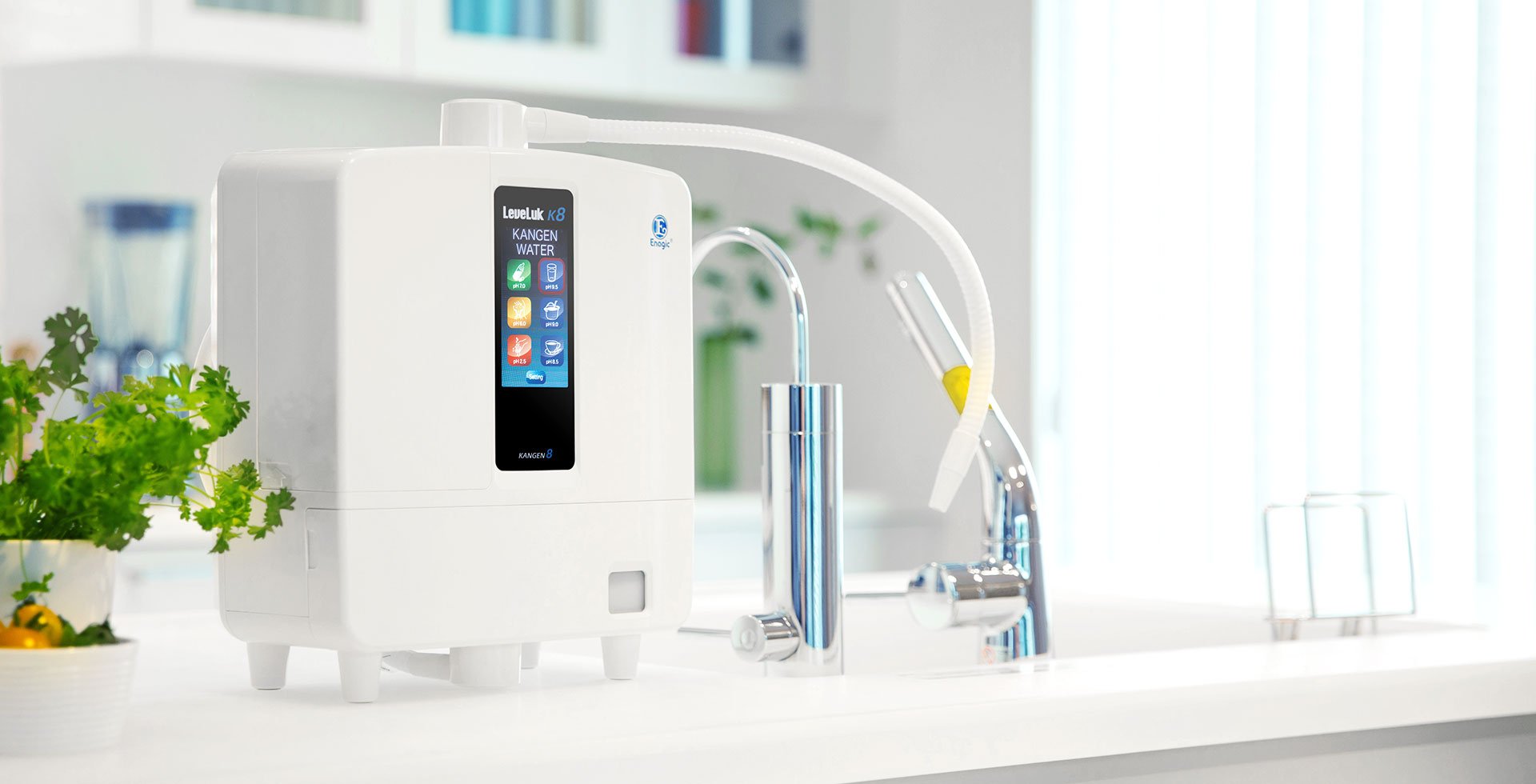
About Ionized Water Machines
Kangen Thailand Official is the authorized distributor of Kangen Water ionized water machines from Enagic. If you're interested in learning more about the machines or have questions about our products, contact us at 062-597-9936.
Summary: What Cancer Patients Should Know Before Researching Further
The exact cause of cancer cannot be pinpointed, since there are so many contributing causes and factors. Some people with cancer or other illnesses give little thought to these basic factors at all. If you start to feel unwell, take a moment to reflect on whether the fundamentals of your daily life are in good shape - are you breathing properly, in a good air environment, eating quality food, eating on a regular schedule, drinking the right kind and amount of water, and having regular bowel movements? Attention to these things can help keep everyone further from illness. And if you're currently facing cancer, we wish you strength and a swift return to good health.
Reference:
Book: The Rejuvenation Enzyme, Dr. Hiromi Shinya, MD
Book: Killing Cancer not people
stanfordhealthcare.org - cancer-causes
en.wikipedia.org - Warburg hypothesis
researchgate.net - health benefit of reduced water
nbcnews.com - processed food and cancer